The Africa Bioethics Network (ABN) is at the forefront of a transformative World Health Organization (WHO)-funded project that redefines how data-driven health research is conducted in Africa. Building on our groundbreaking pilot study in Kenya and Senegal, this initiative focuses on translating research insights into practical frameworks that balance critical health priorities with environmental responsibility and stewardship, tailored to the unique challenges and realities of African contexts.
18 ethical principles clustered around justice, responsibility, relationality, and foresight
An Ethical Integration Framework combining principles, decision points, guidelines, and enabling factors
Practical tools, including a lifecycle matrix and a three-level coordination model (researcher, institution, policy)
Insights on dilemmas, trade-offs, and gaps in current ethics governance
Recommendations for implementation, capacity-building, and policy integration
The Nairobi workshop marked a critical milestone, but participants emphasized that the framework must evolve through continued testing, adaptation, and regional coordination. Next steps include:
Framework Expansion – further refinement in other African contexts, beginning with a co-creation workshop in Senegal.
Regional Working Group – convening a multi-country body to steward the framework, harmonize REC practices, and advocate at policy level.
Piloting in Research – integrating tools into active studies (e.g., genomics, infectious disease, maternal health) and capturing user feedback.
Policy Engagement – aligning with ethics committees, ministries, and continental bodies to embed sustainability into research governance.
Capacity Building & Dissemination – developing training modules, policy briefs, and open-access toolkits in multiple languages.
Participants agreed that...
“This should not end with a few meetings—it should become a continental conversation led by Africans.”
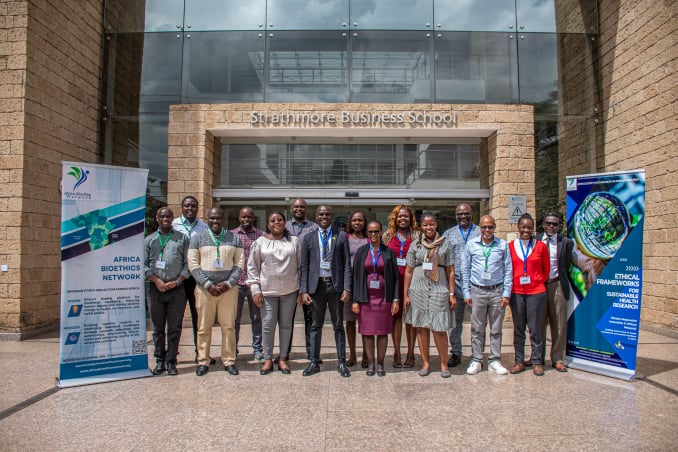
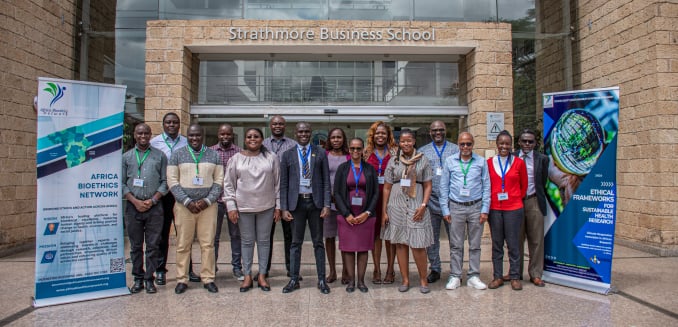
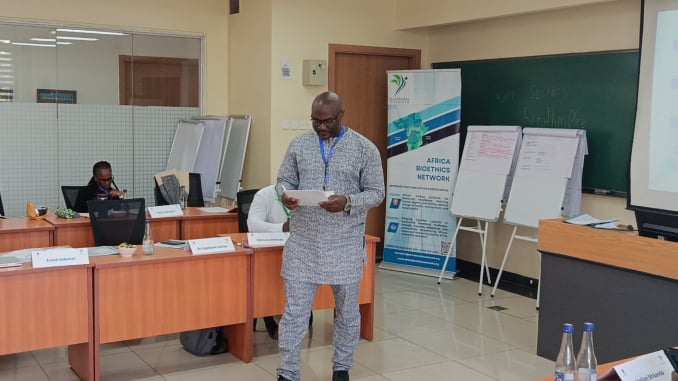
The Kenya co-creation workshop on ethical frameworks for environmentally sustainable, data-driven health research marked a significant milestone in advancing African-led, contextually grounded approaches to climate-health governance.
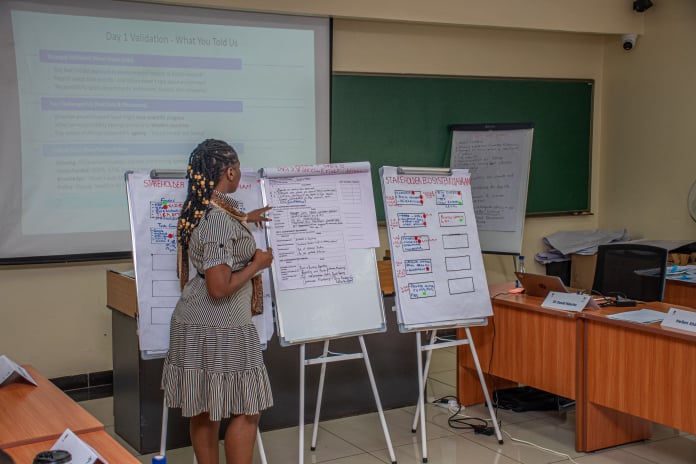
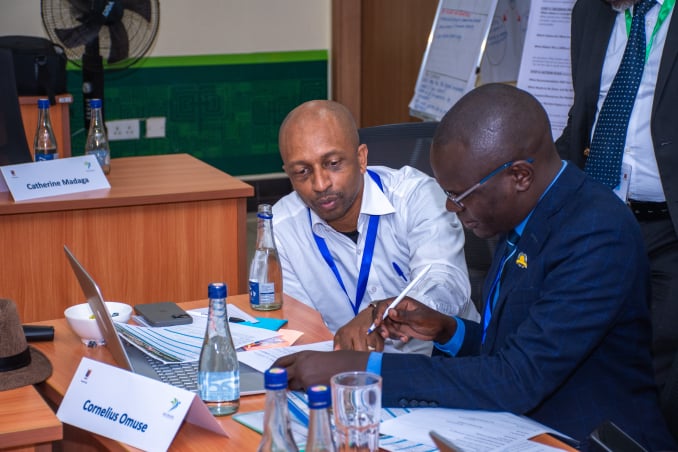
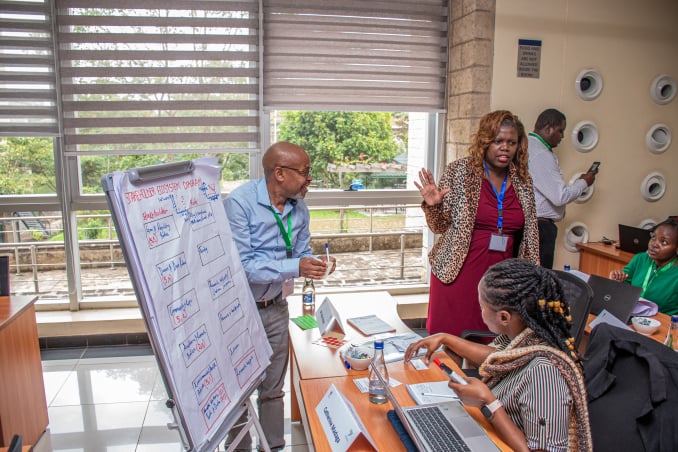
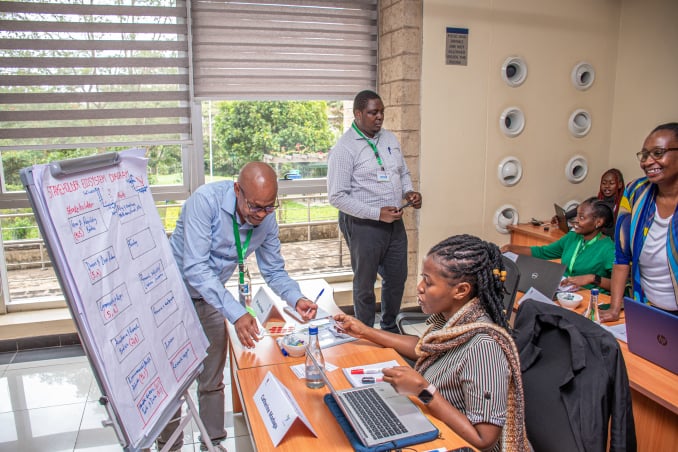
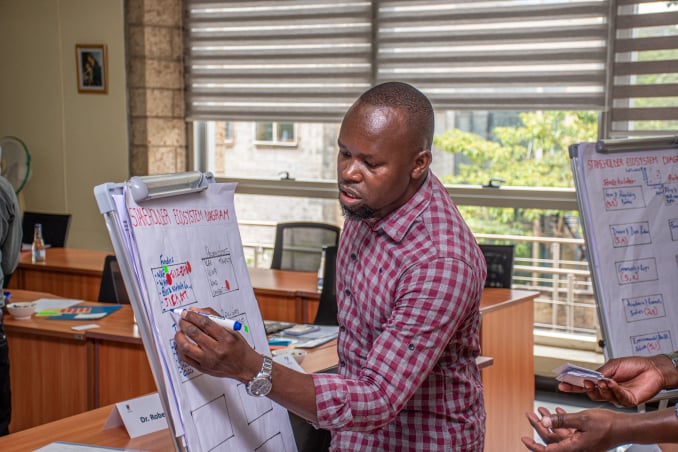
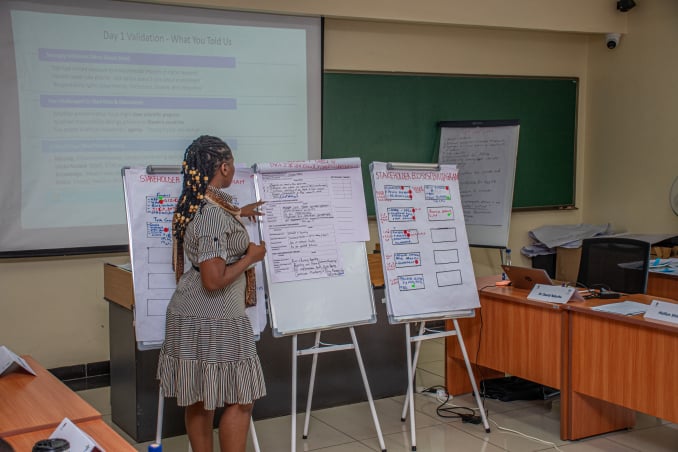
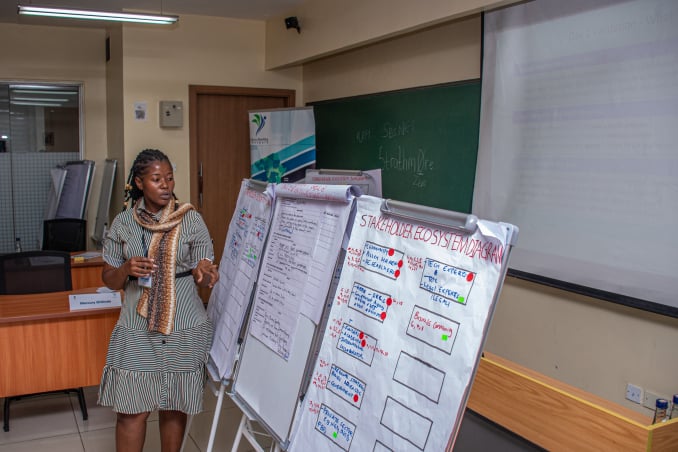
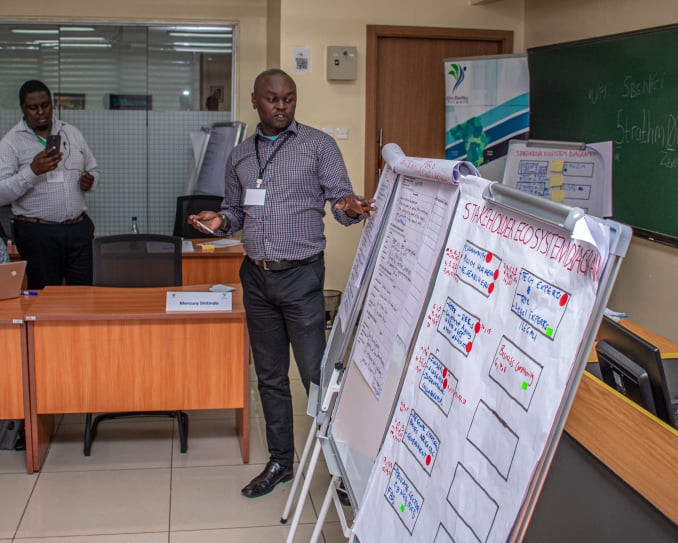
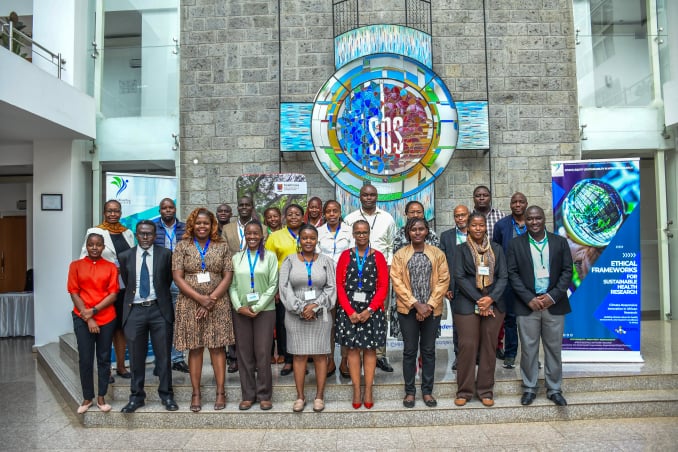
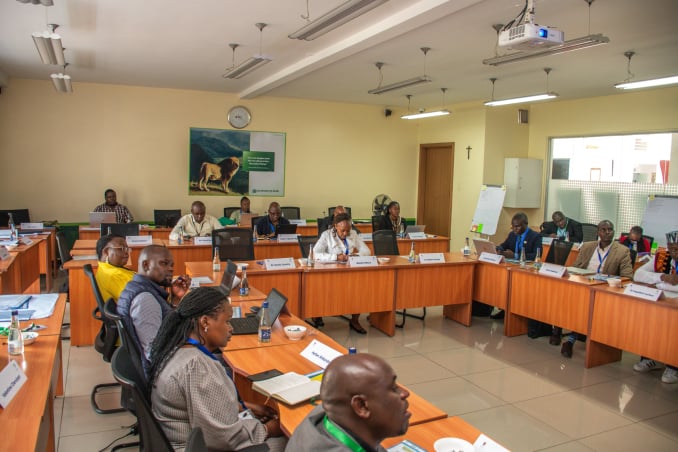
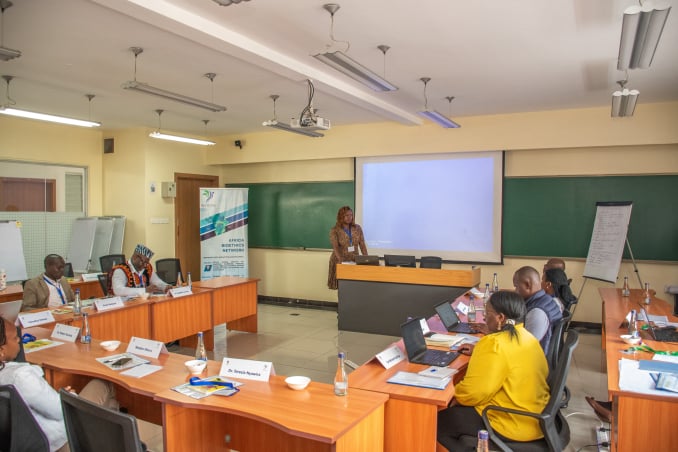
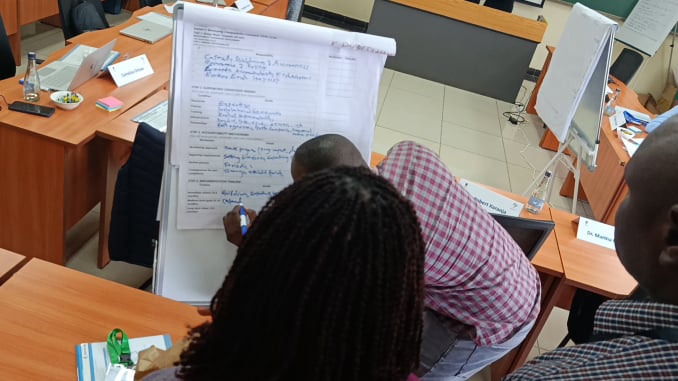
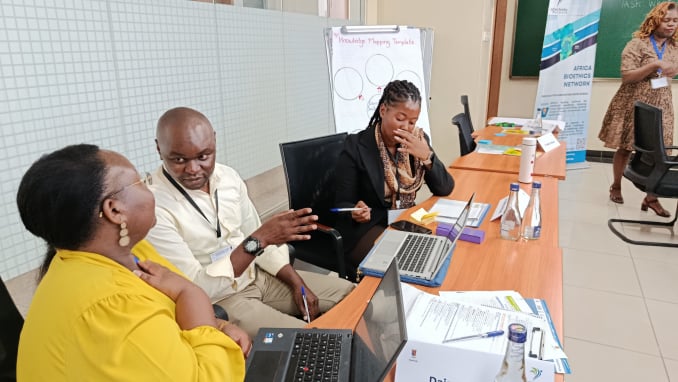
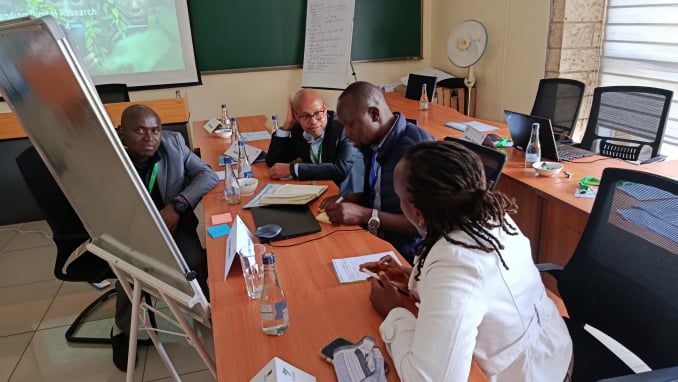
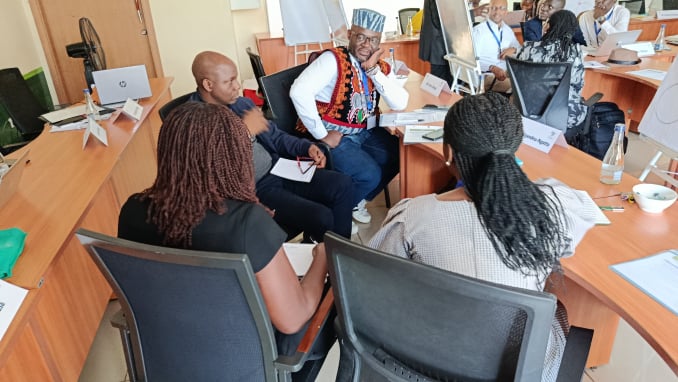
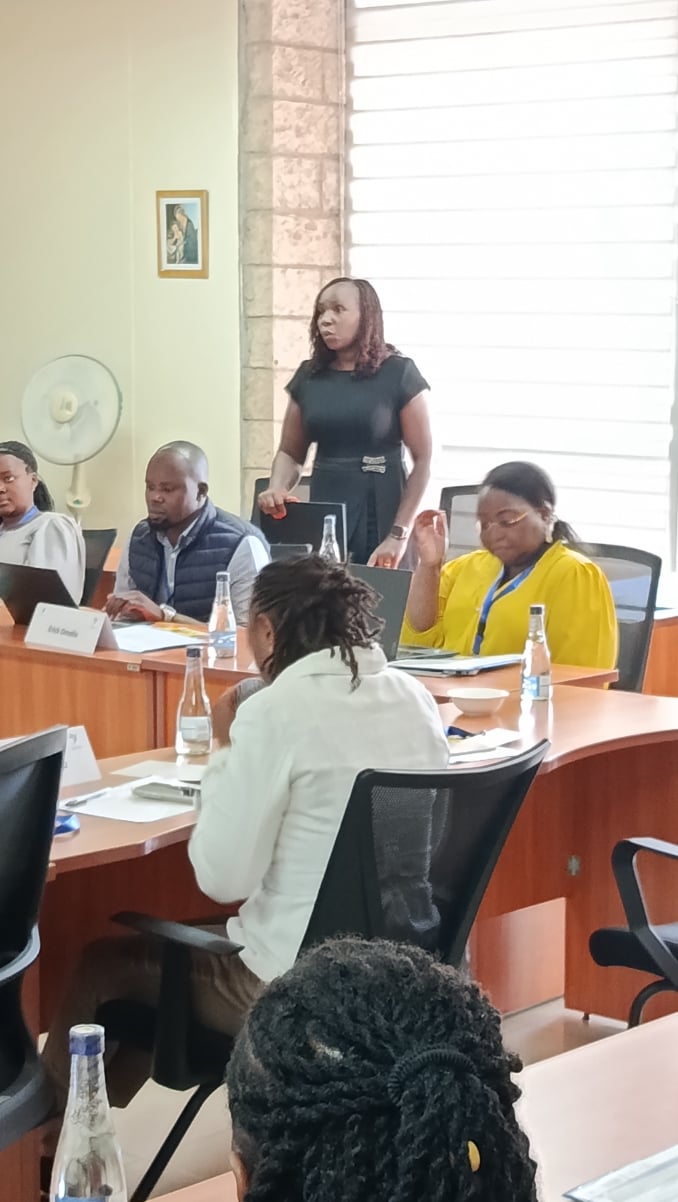
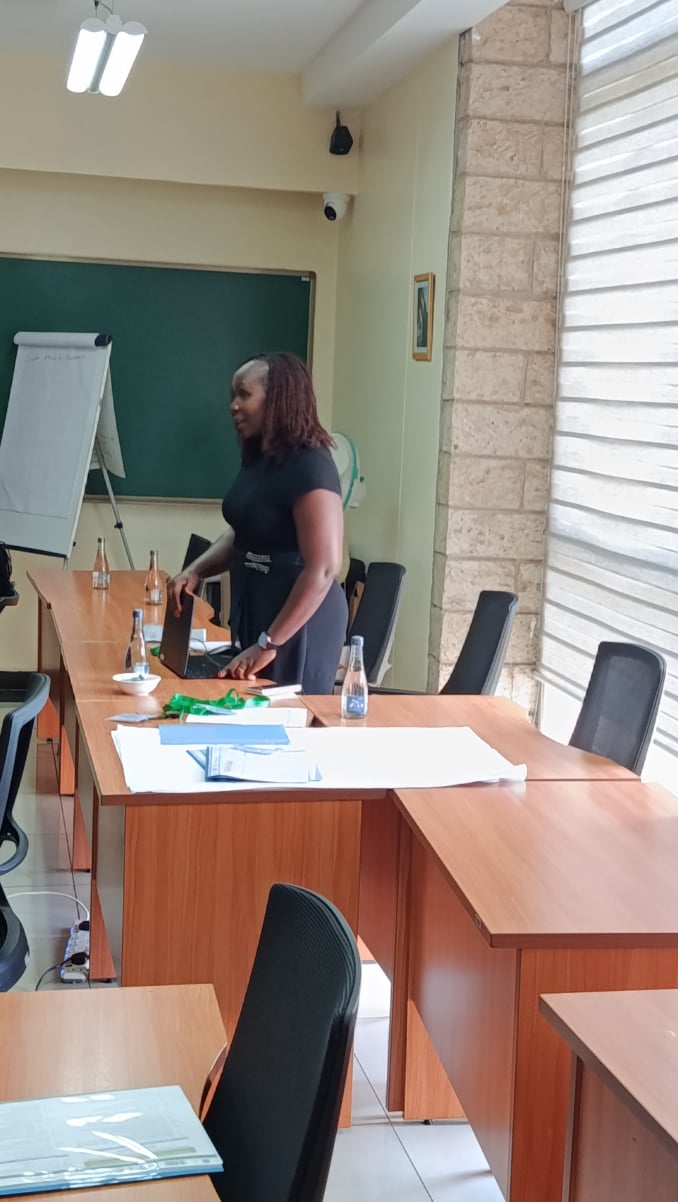
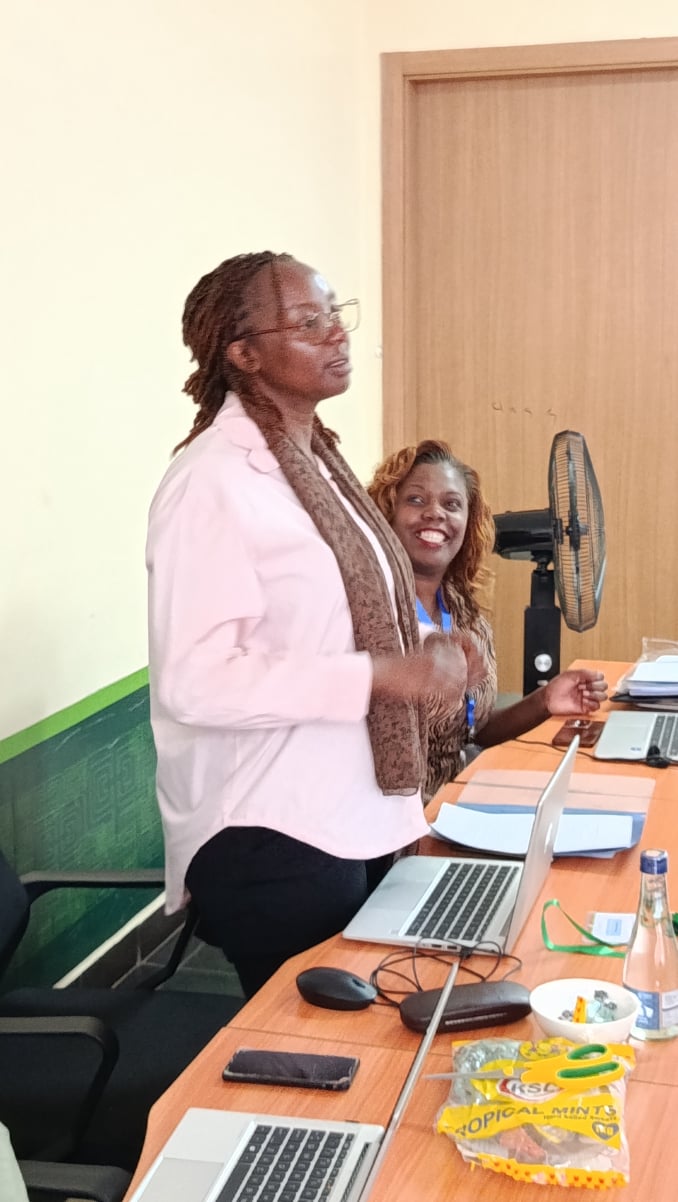
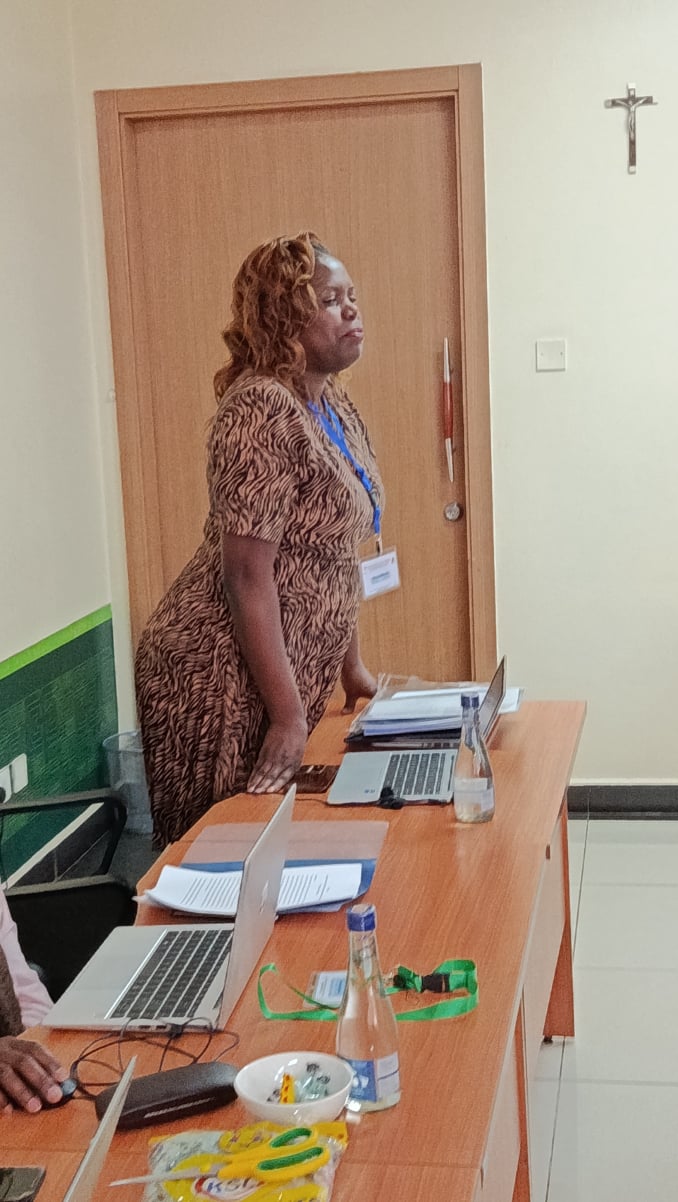
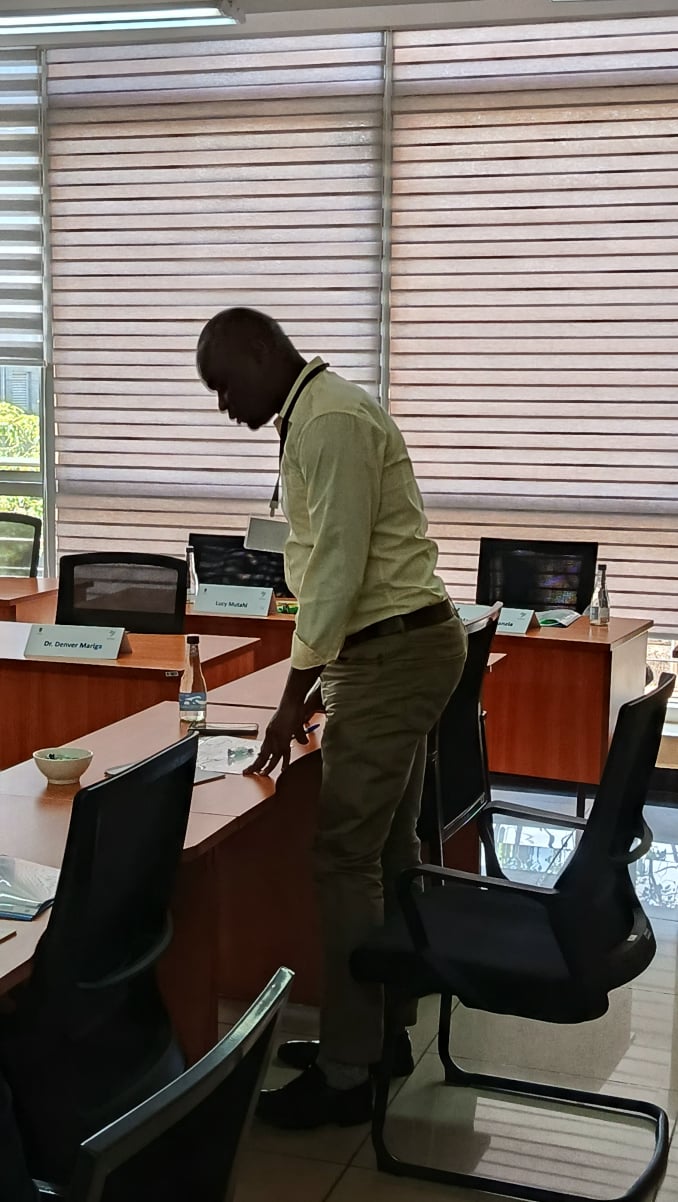
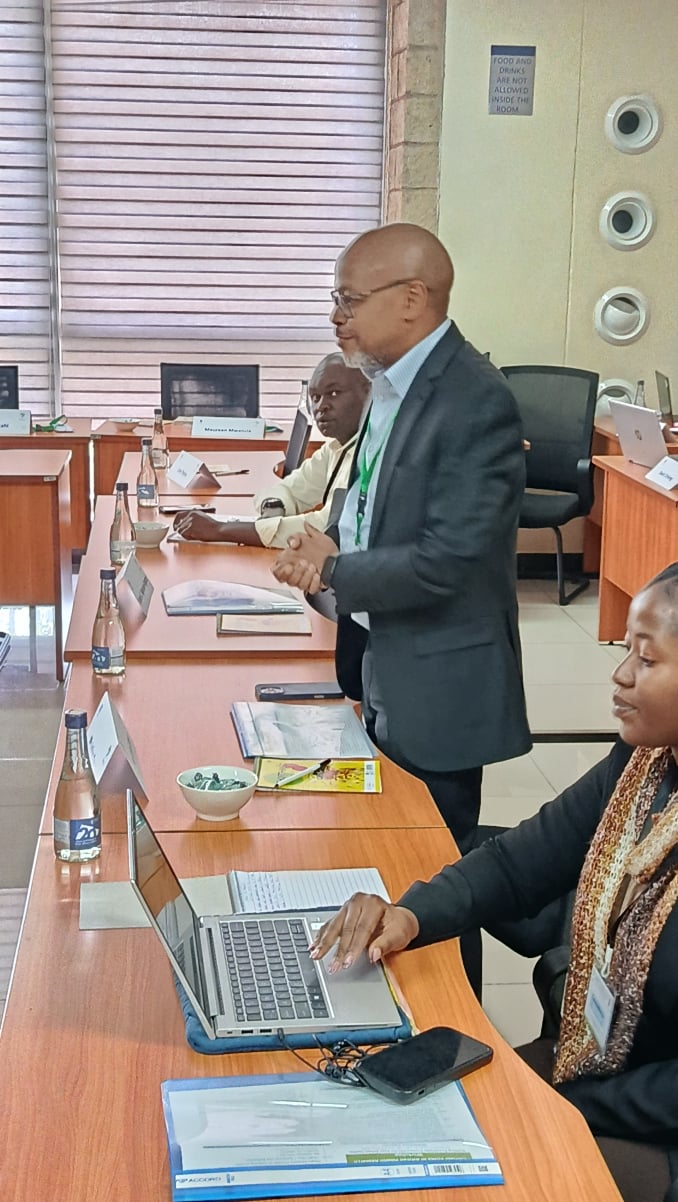
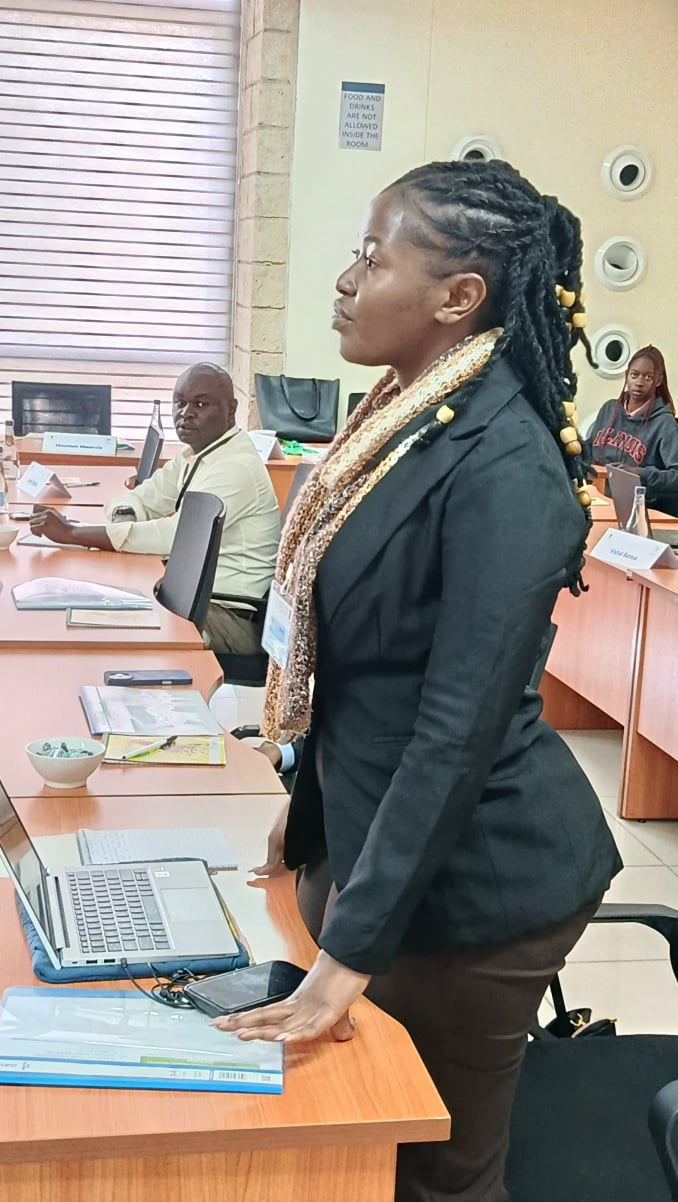
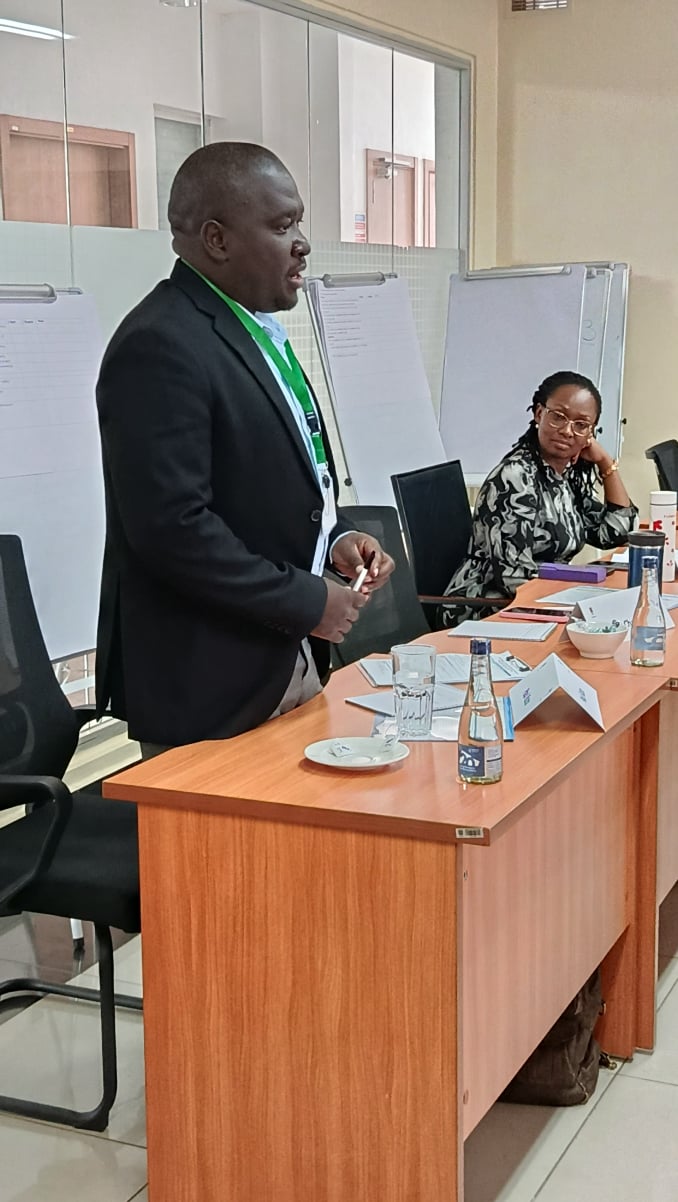
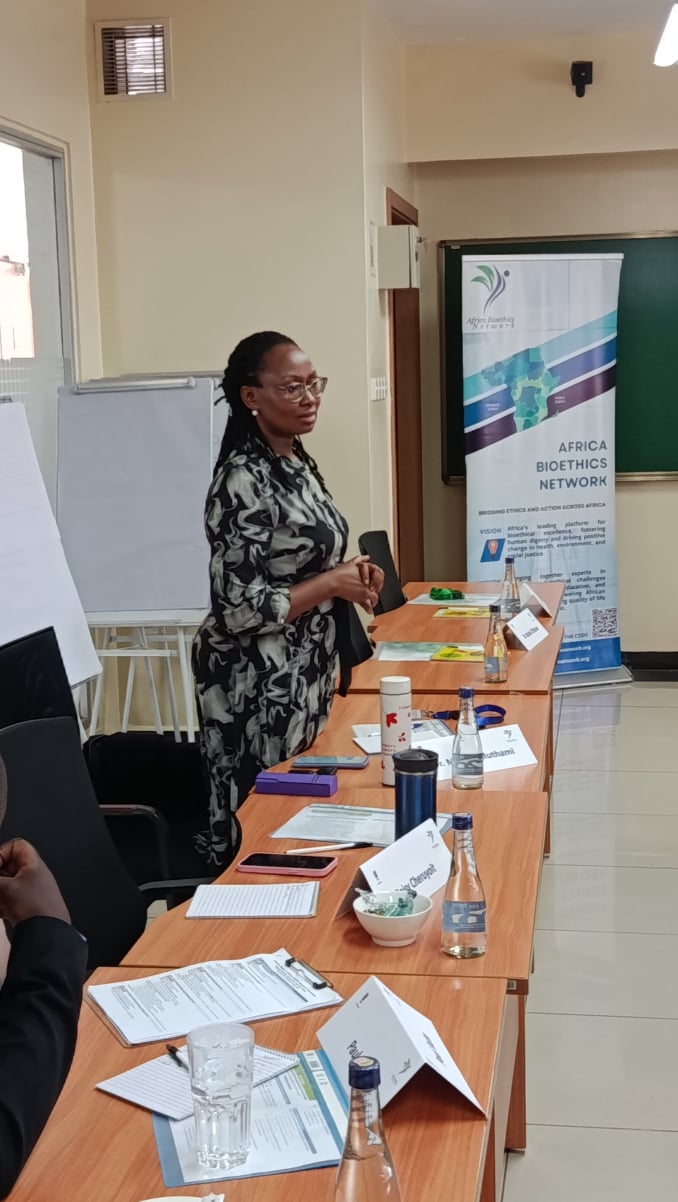
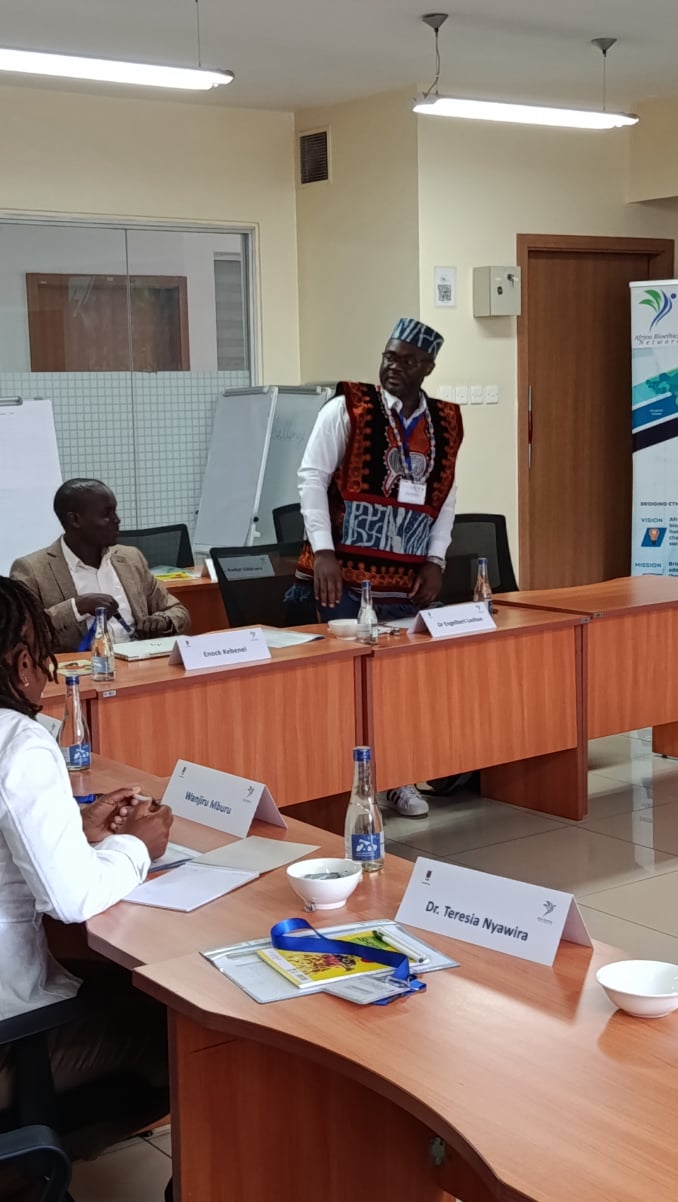
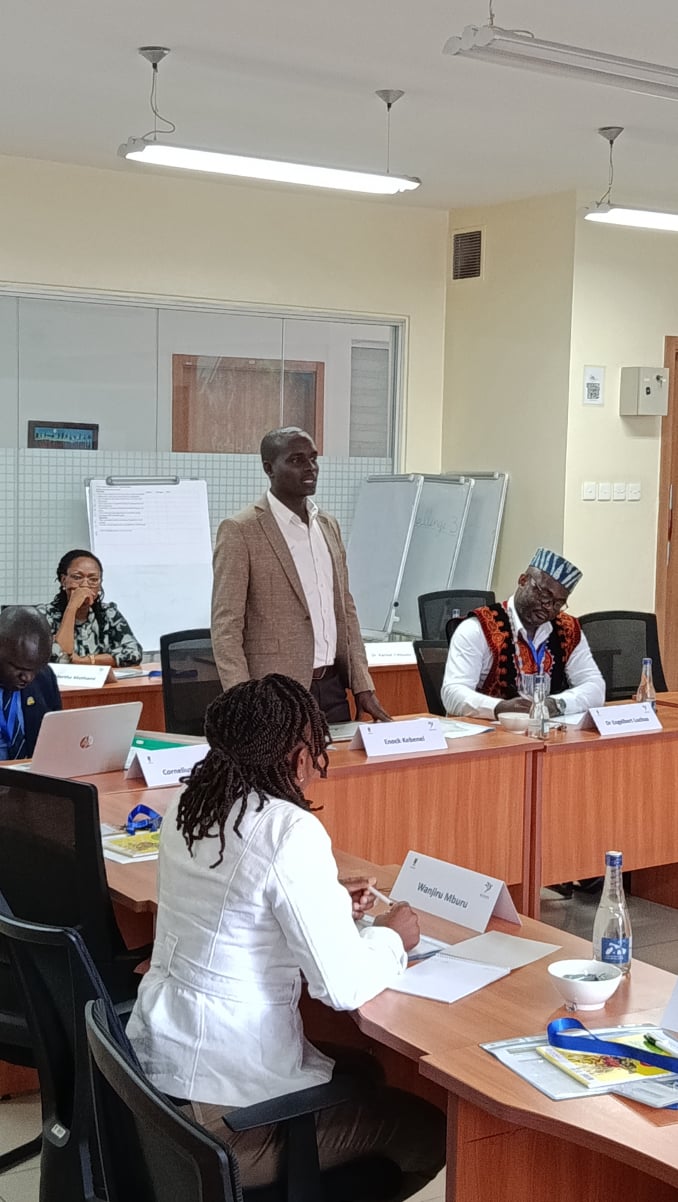
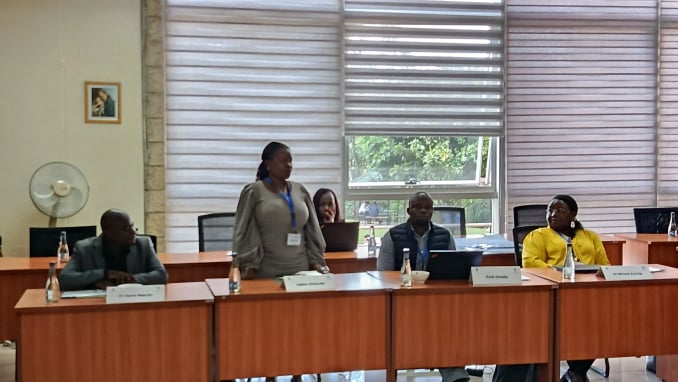
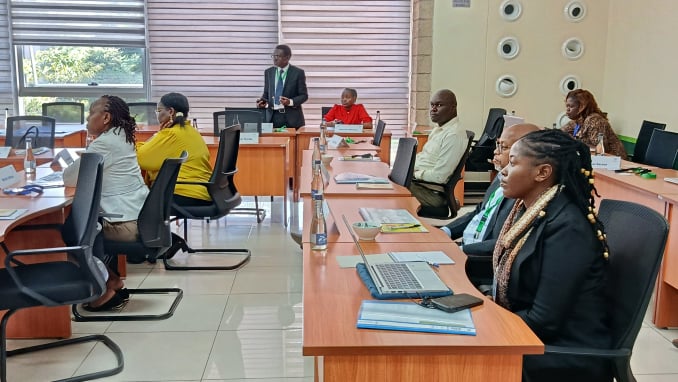
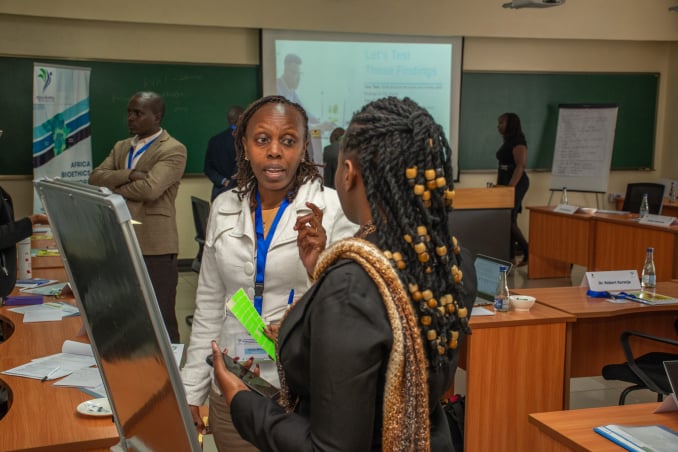
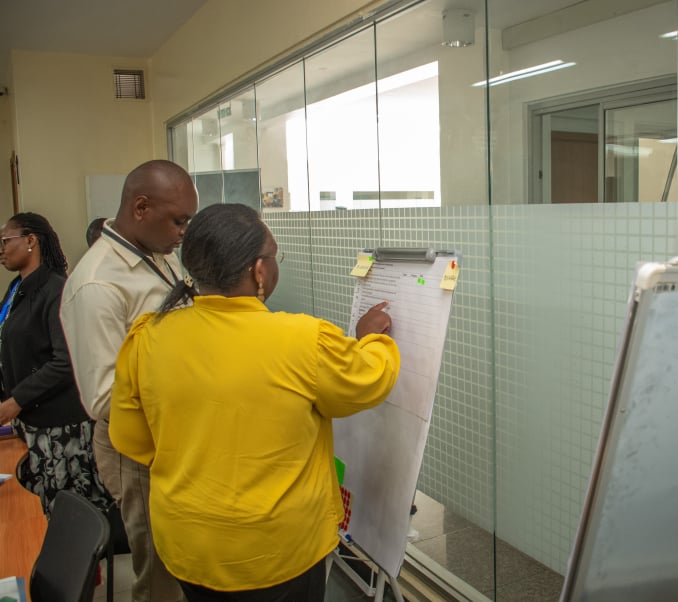
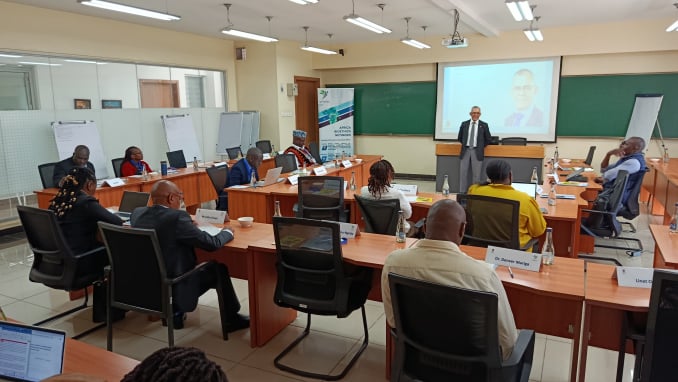
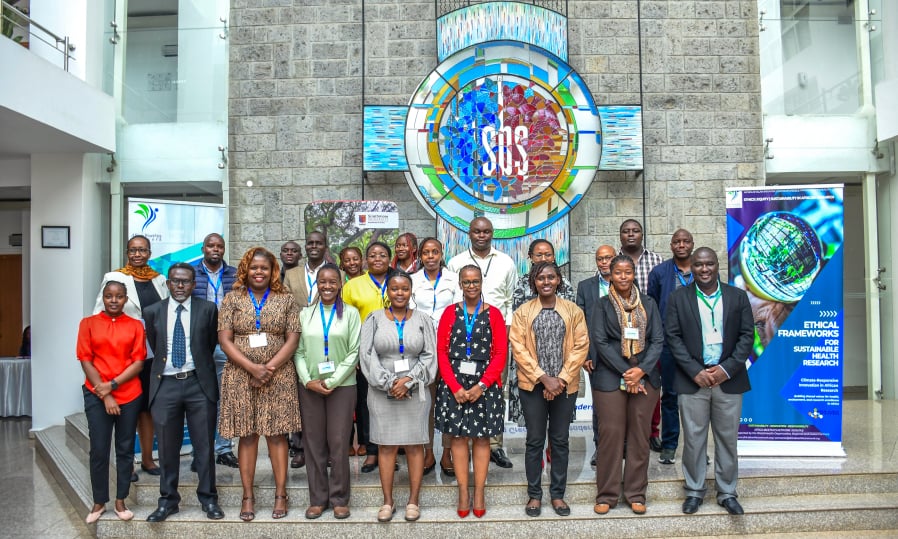
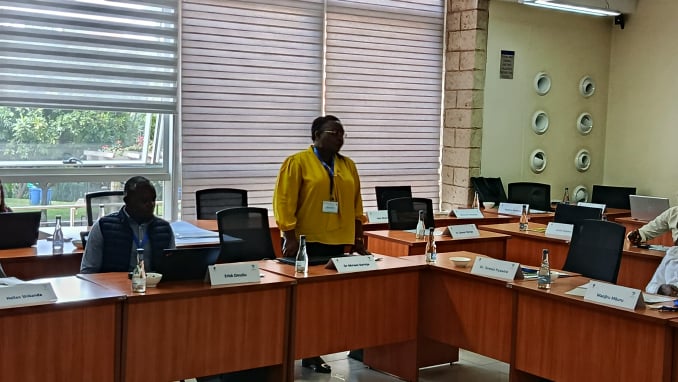
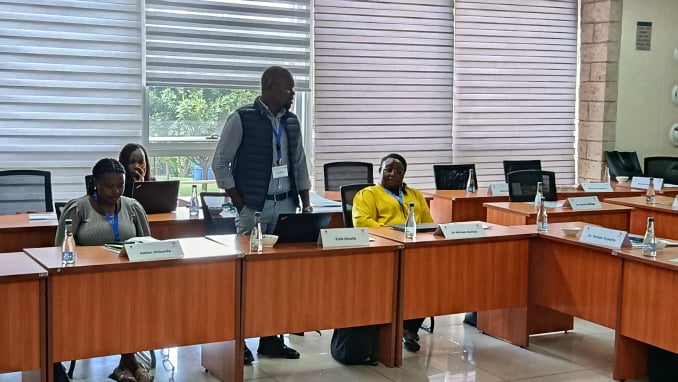
The workshop engaged 22 participants from across research, government, regulatory, private sector, civil society, and community organizations in Kenya, alongside regional partners. Guided by principles of participatory ethics, collective accountability, and contextual relevance, participants worked through case studies, evidence prompts, and collaborative drafting sessions to shape the emerging framework.
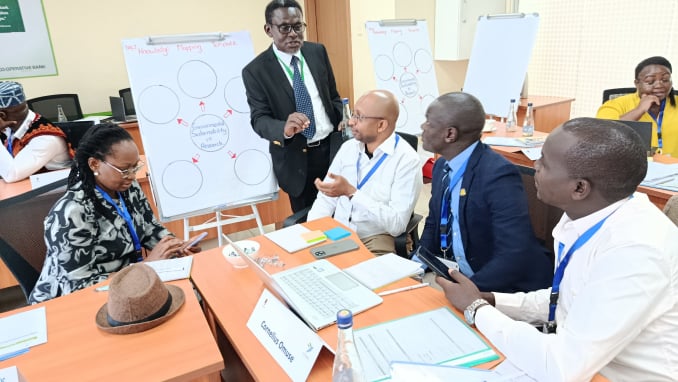
Over two days of intensive, participatory engagement, stakeholders from academia, research institutions, civil society, regulatory bodies, community organizations, and international partners came together to reflect, critique, and co-design ethical tools responsive to the region’s realities.
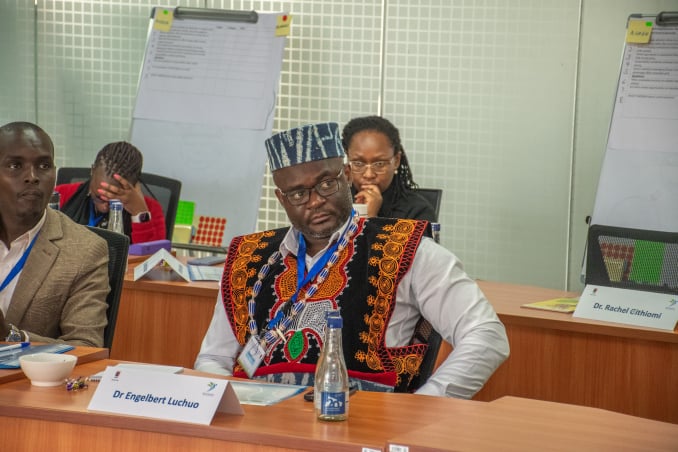
Participants did not simply react to pre-defined concepts. They shaped the very language, principles, and guidance that underpin the framework, bringing their lived experiences, professional expertise, and cultural perspectives to bear. The process modeled the kind of cooperation it advocates: inclusive, respectful, iterative, and grounded in shared accountability.
Institutional Capacity Building: Empowering institutions with tools and training for sustainable practices.
Knowledge Networks: Establishing platforms for continuous learning and collaboration.
Practical Resources: Producing toolkits, guidelines, and support materials for implementation.
Co-Creation: Collaborating with local stakeholders to develop actionable frameworks.
Context-Specific Strategies: Designing implementation plans that reflect local realities and resources.