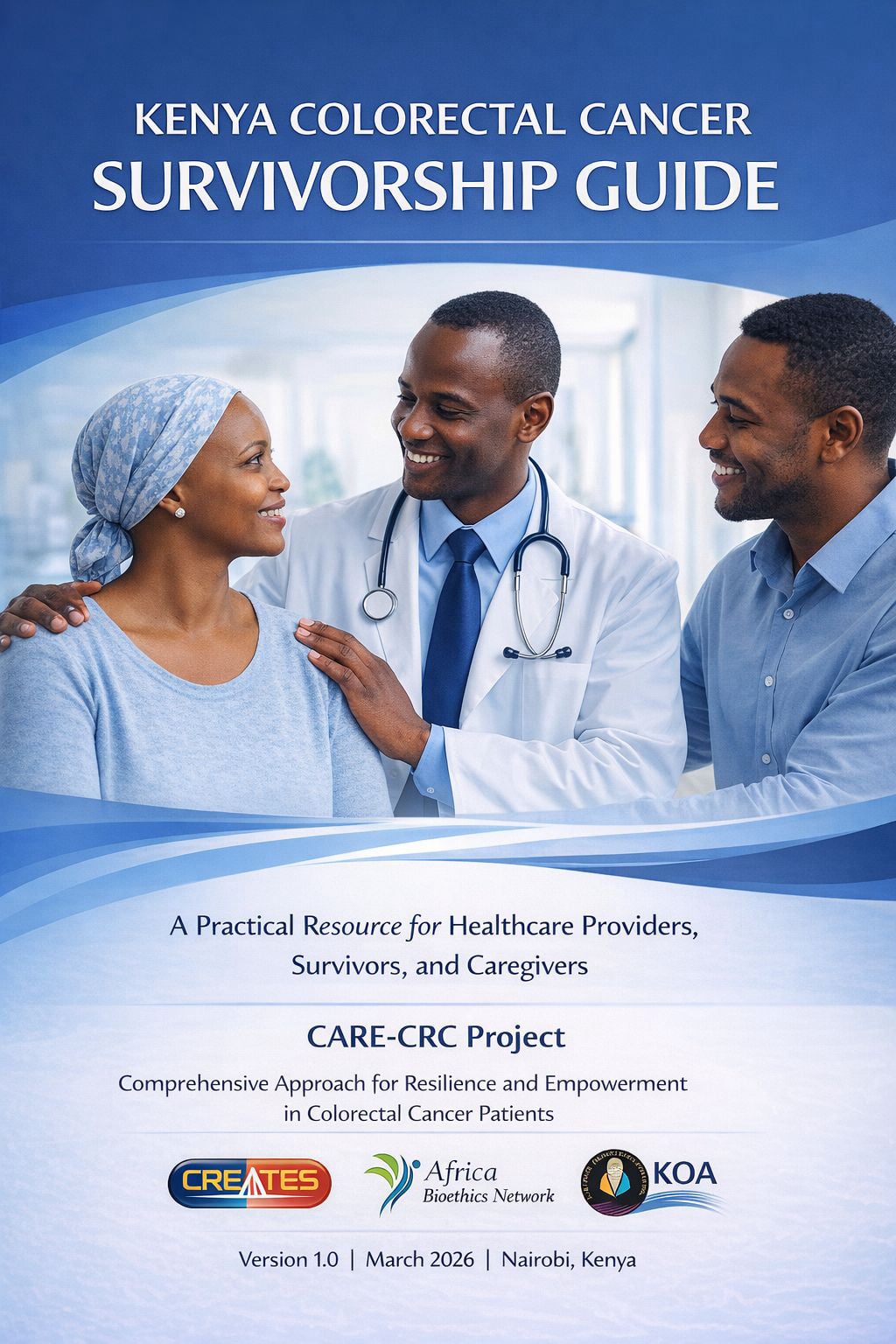
CARE-CRC Dissemination Workshop
On 24 March 2026, ABN played a central role in the colorectal cancer survivorship dissemination workshop in Nairobi, in collaboration with Strathmore University, CREATES, and the Kenya Ostomy Association (KOA), supported by the National Cancer Institute of Kenya.
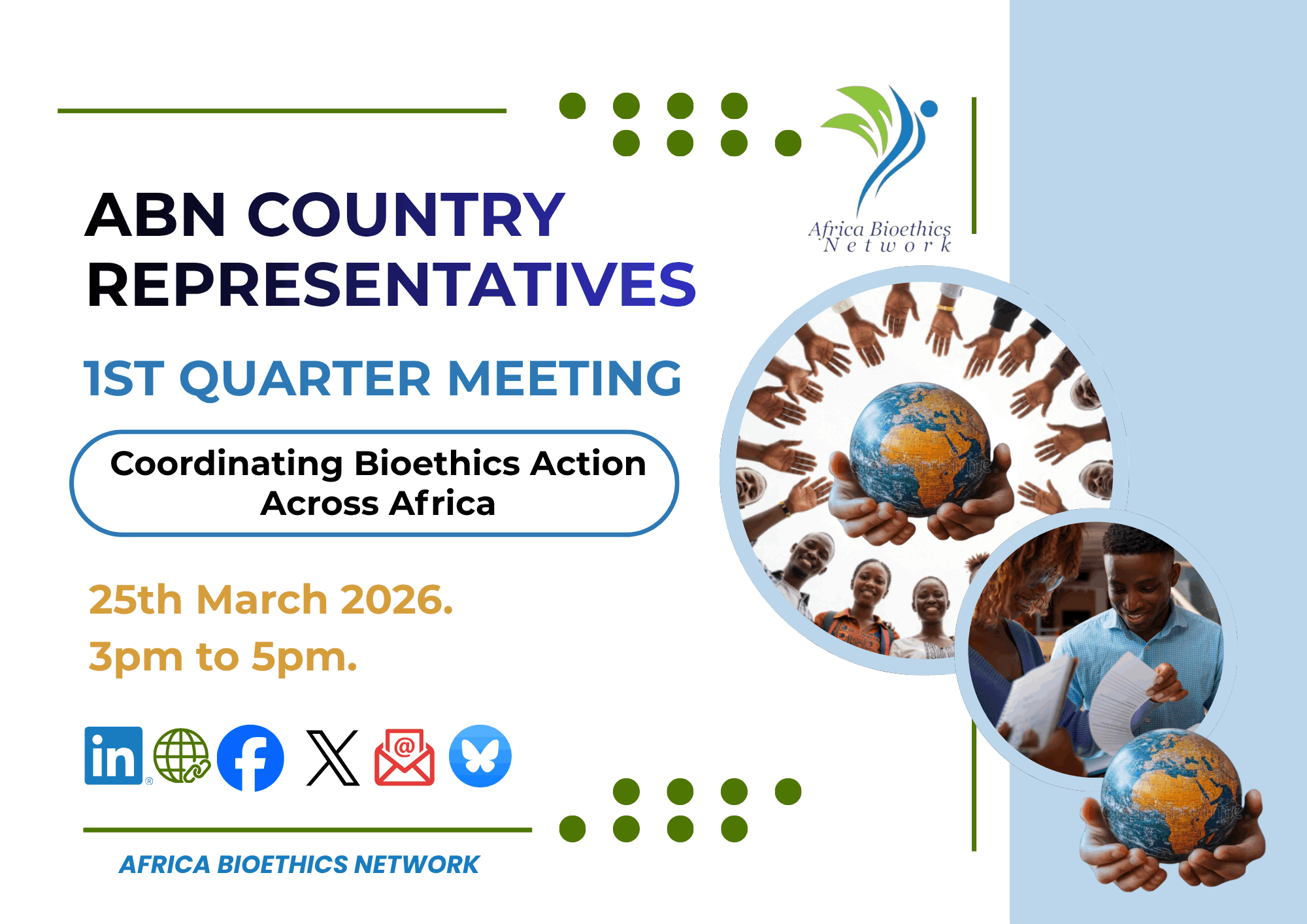
Country Representatives Q1 Meeting
In March 2026, ABN held its Q1 Country Representatives meeting, bringing together 40+ CRs from across the continent. The meeting focused on what success looks like in practice at country level — drawing on early experiences of representatives embedding ABN's presence in their national ecosystems.
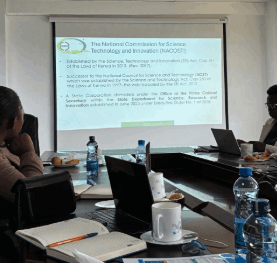
Courtesy Visit to NACOSTI
On 11 March 2026, ABN held a formal courtesy visit to Kenya's National Commission for Science, Technology and Innovation (NACOSTI). Discussions highlighted how ABN's expertise in genomics ethics, climate-health ethics, AI ethics, and mental health research complements NACOSTI's national mandate.

AI Academic Integrity & Ethics Dialogue
On 18 March 2026, ABN convened its first AI Academic Integrity and Ethics Dialogue in collaboration with Prof. Janice Moodley (University of South Africa | Hastings Center Fellow).
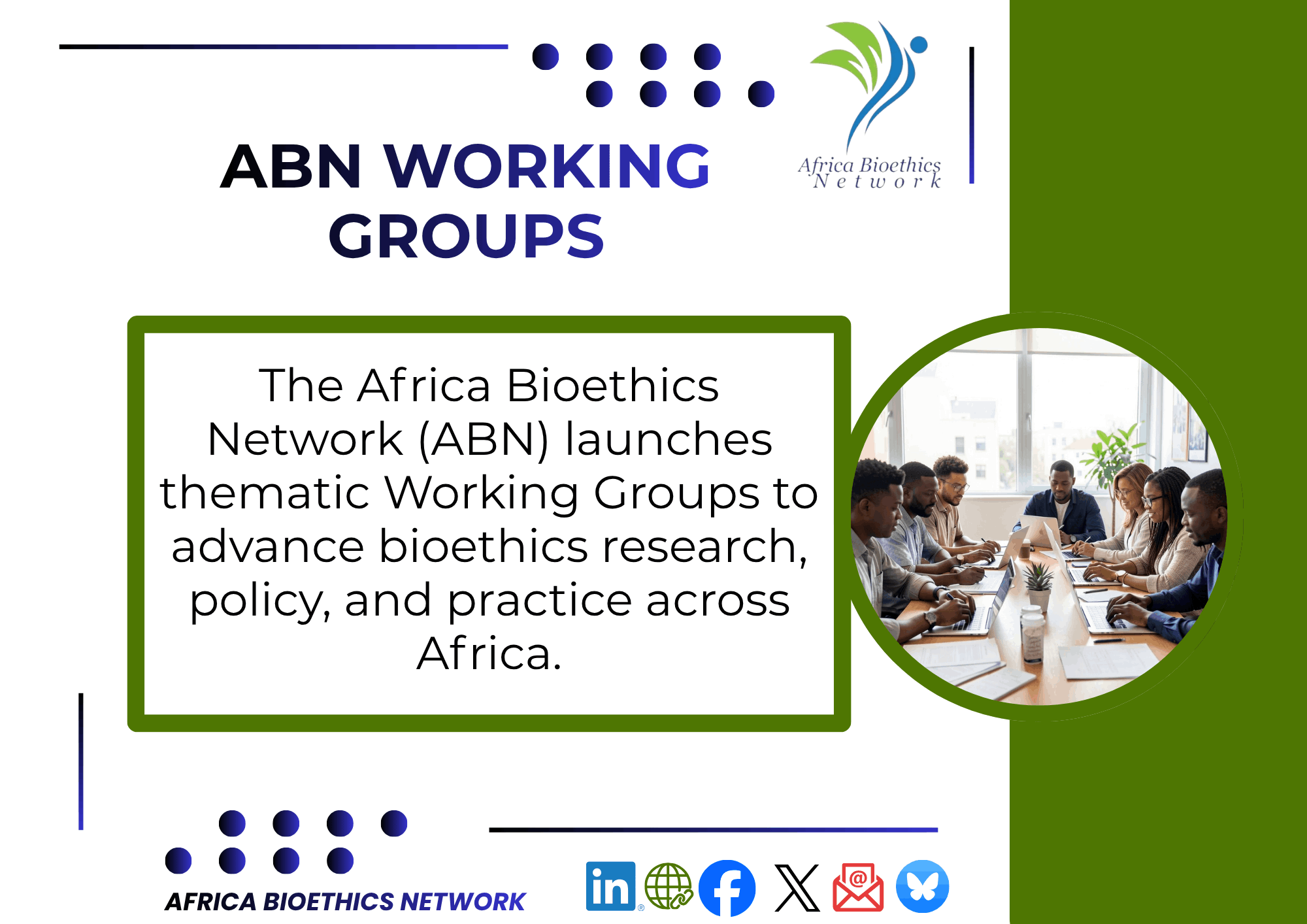
Working Group Launch & Co-Chair Appointments
The Africa Bioethics Network (ABN) launched thematic Working Groups to advance bioethics research, policy, and practice across Africa. These collaborative groups will drive innovation, produce practical outputs, and connect African expertise with global conversations in bioethics.
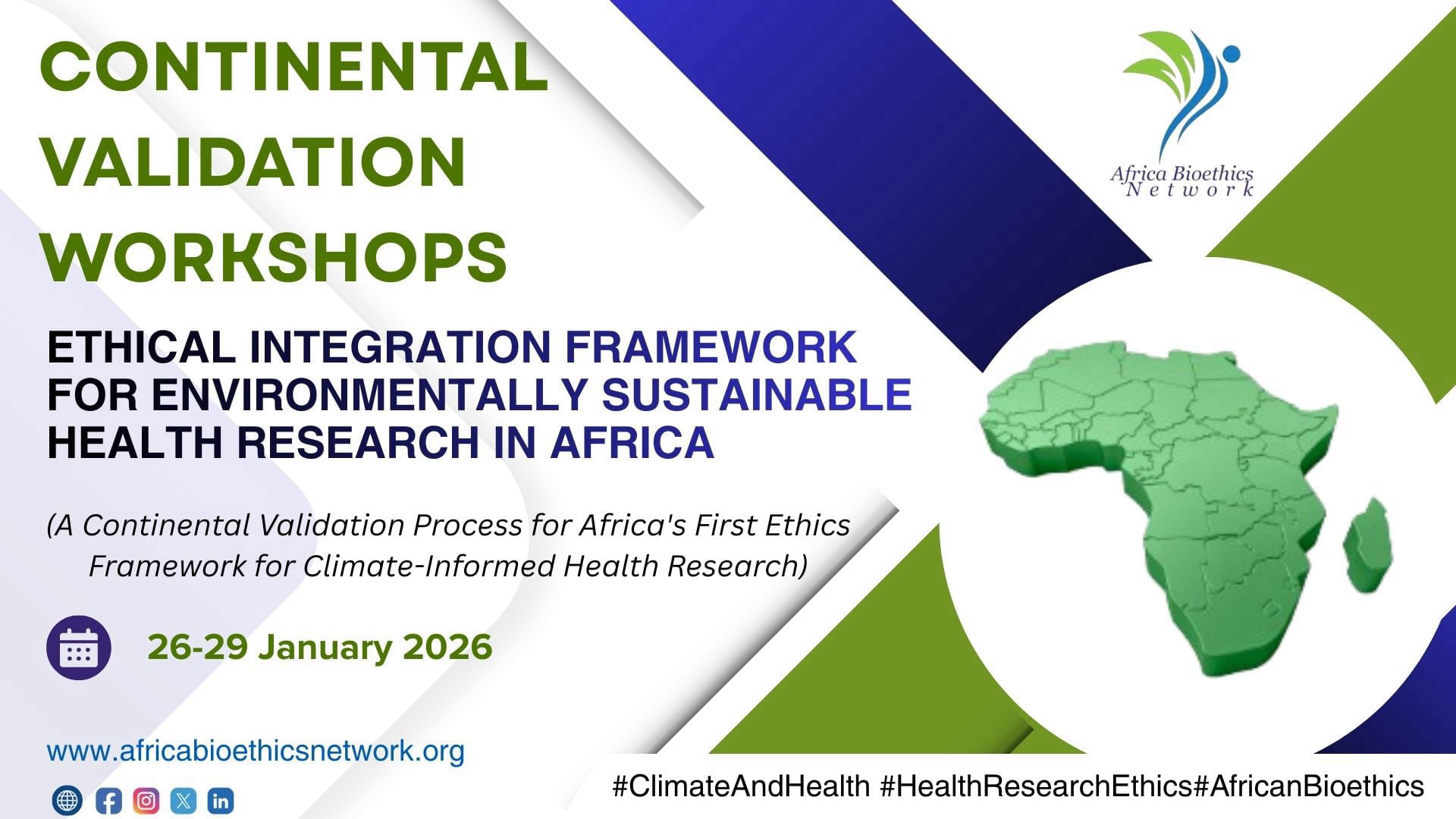
CONTINENTAL VALIDATION WORKSHOPS | Ethical Integration Framework for Environmentally Sustainable Health Research in Africa
In January 2026, the Africa Bioethics Network convened approximately 100 stakeholders across six continental validation workshops to critically review and refine the Ethical Integration Framework for Environmentally Sustainable Health Research in Africa.
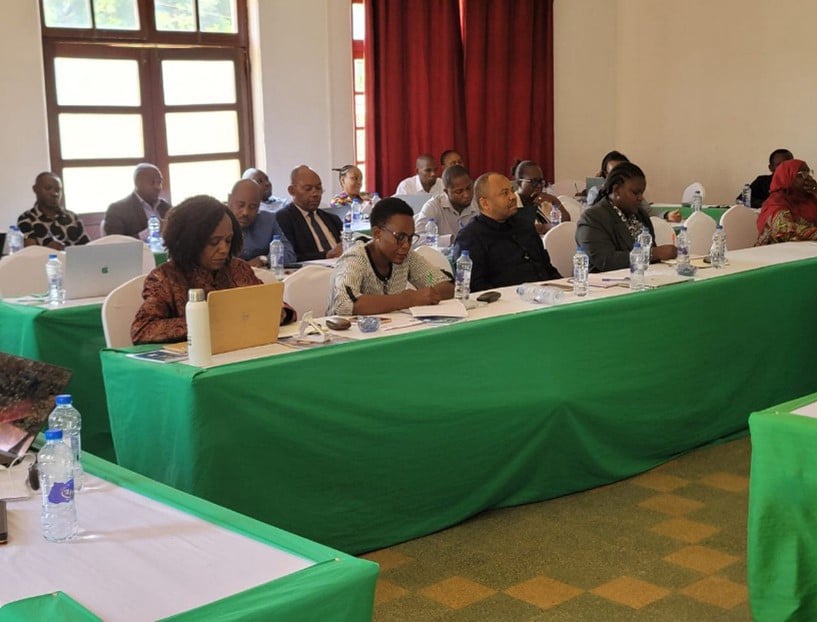
Tanzania Begins Preparations for The African Conference on Social Transformation and Ethics of Artificial Intelligence
The UNESCO National Commission of the United Republic of Tanzania convened a key stakeholder meeting in Morogoro from 10–11 February 2026 to prepare for the upcoming African Conference on Social Transformation and Ethics of Artificial Intelligence (AI), which is scheduled to take place later this year in Tanzania.
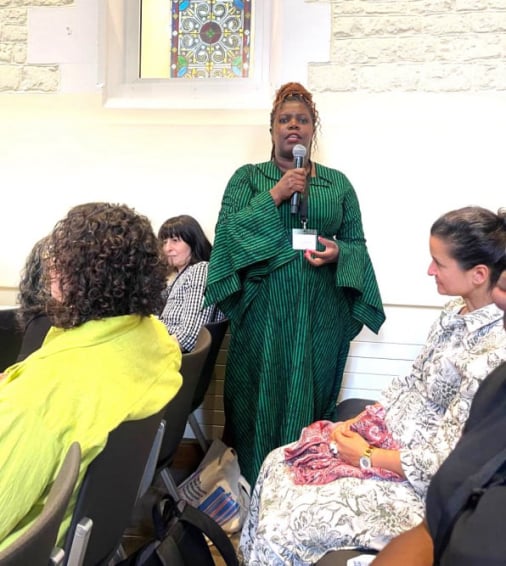
Oxford Global Health Bioethics International Conference
What does ethical health research look like in a climate-impacted, data-driven world - especially in resource-limited settings?

The Global Health Justice Writing Workshop
The Global Health Justice Writing Workshop (GHJWW) brought together early and mid career African researchers from across the continent with the aim of strengthening capacity to produce justice oriented and structurally informed global health research. The workshop focused on enhancing academic writing and publication skills while fostering connection within a growing network of justice aligned scholars.
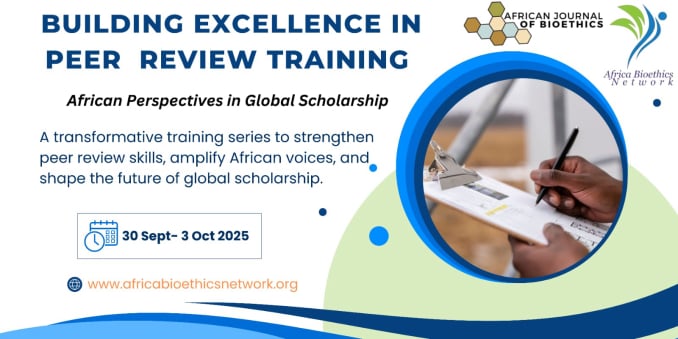
Building Excellence in Peer Review
Building Excellence in Peer Review is a capacity strengthening training designed to equip African researchers with the knowledge, skills, and ethical grounding required to participate confidently and effectively in scholarly peer review. As peer review remains a cornerstone of academic quality and integrity, this program responds to the growing need for reviewers who are not only technically competent but also critically aware of context, equity, and responsibility within global knowledge production.

Contemporary Bioethics in African Contexts (2025 Cohort)
• Format: Virtual, interactive delivery
• Duration: 10 working days (30 contact hours)
• Language: English
• Cohort Size: 40 participants maximum
BEACON Mentorship Program 2025 Cohort
● 30+ Expert Mentors from across Africa
● 43 Emerging Bioethics Leaders
● 18+ African Countries Represented
● 12-Month Mentorship Journey
● 6 Learning Modules
● 5 Regional Clusters
● Multilingual: English, French, Arabic, Portuguese

ORCID Bioethics Community of Practice Launch
The ORCID Bioethics Community of Practice in Sub-Saharan Africa (SSA), led by the Africa Bioethics Network, is transforming how bioethics research is documented and shared across the region.

Climate Ethics in African Health Research Workshop
The Africa Bioethics Network (ABN) is at the forefront of a transformative World Health Organization (WHO)-funded project that redefines how data-driven health research is conducted in Africa. Building on our groundbreaking pilot study in Kenya and Senegal, this initiative focuses on translating research insights into practical frameworks that balance critical health priorities with environmental responsibility and stewardship, tailored to the unique challenges and realities of African contexts.
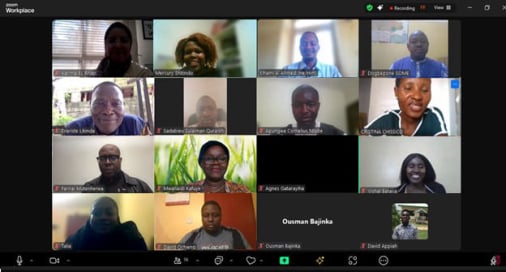
Historic First Meeting Charts Path for African Bioethics
The Africa Bioethics Network (ABN) achieved a significant milestone with its inaugural Country Representatives Meeting, bringing together bioethics leaders from fourteen nations across the continent. This groundbreaking virtual gathering on January 30, 2025, marked the beginning of a new era in African bioethics collaboration and development.
